Home›Cats›Breeds & Coats›Maine Coon Cat
Maine Coon Cat: Temperament, Care and Health
The Maine Coon is a large, gentle, shaggy cat from the cold north-eastern United States — often called a gentle giant, and one of the largest domestic cat breeds.
The short answer
Maine Coons make wonderful family cats for people who want a friendly, people-focused, playful cat and can comb a heavy coat two or three times a week. They need sturdy furniture and space for their size.
Written by Pawpedia Editorial Team | Reviewed by Veterinary Review | Last updated: November 2026
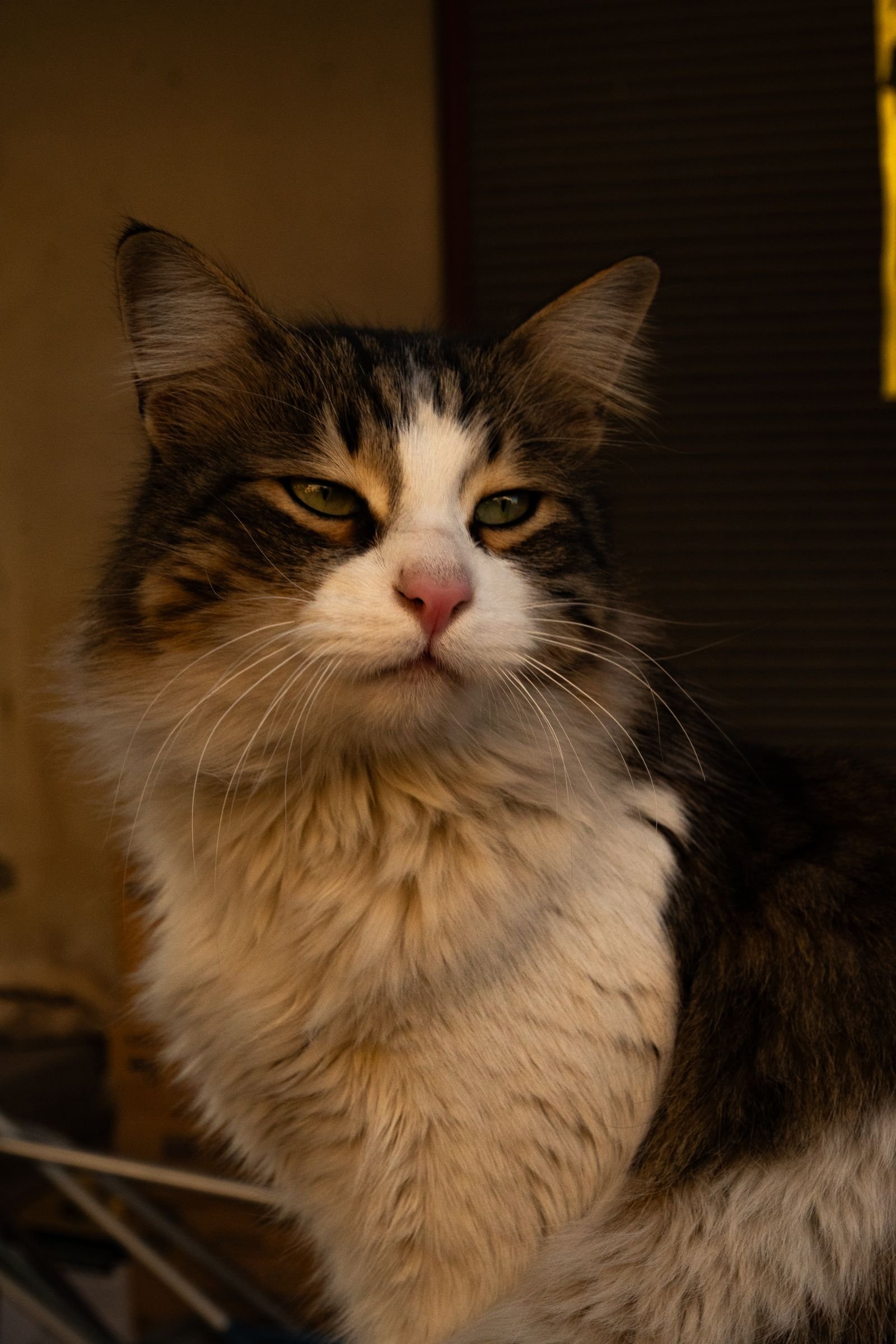
Quick facts
| Trait | Detail |
|---|---|
| Origin | Maine, north-eastern United States; a natural breed. |
| Size | Large. |
| Weight | 8–20 lb (VCA), males larger; mature males can reach or exceed 20 lb. |
| Lifespan | 12–15 years (VCA); treat breed lifespan figures as a guide, not a promise. |
| Coat | Heavy, shaggy and silky; shorter at the shoulders, longer on the sides, belly and back legs; bushy tail, tufted ears and paws. |
| Maturity | Slow, maturing over several years. |
| Temperament | Gentle, friendly, playful and people-focused. |
| Energy | Moderate and playful; enjoys company and games. |
| Best for | Families, homes with children and other pets, and people who enjoy an interactive cat. |
Personality
Maine Coons are gentle and friendly, often dog-like in following people and joining family life. They are playful without being hyperactive, are known for soft chirping sounds, and are generally good with children and other pets. They enjoy company but can also entertain themselves.
Living with a Maine Coon
Give a Maine Coon sturdy, large scratching posts, beds and litter trays sized for a big cat, and play with them daily. Keep them indoors or in a secure enclosure. Their size means regular furniture may be too small.
Grooming
Comb the coat two or three times a week (CFA), for about 5–10 minutes, especially the belly and back legs where mats form. Most Maine Coons do not need regular baths. Check the ears, trim claws, and follow your vet’s advice on dental care.
Feeding
Feed a complete, balanced food measured to keep your cat lean — extra weight strains the hips and joints. Fresh water should always be available.
Health
Maine Coons are generally sturdy. Breeders should screen for HCM (hypertrophic cardiomyopathy) with a DNA test for the MYBPC3 A31P variant plus echocardiograms, for hip dysplasia with hip x-rays, and for spinal muscular atrophy (SMA) with a DNA test. Ask breeders for test results and health history. Routine dental checks matter. See a vet for breathing difficulty, lethargy, appetite loss, limping or weakness.
Is a Maine Coon right for you?
Good fit: you want a large, gentle, friendly cat, can comb two or three times a week, and have space and sturdy furniture.
Poor fit: you want a small, low-maintenance cat, or cannot manage regular grooming and shedding.
FAQs
How big do Maine Coons get?
8–20 lb, with males larger; mature males can exceed 20 lb.
How long do Maine Coons live?
12–15 years per VCA, as a guide.
Do Maine Coons shed a lot?
Yes. Combing two or three times a week helps.
Are Maine Coons good with children and dogs?
Generally yes.
Are Maine Coons lap cats?
They are affectionate and people-focused and often stay nearby; lap time is on their terms.
Do Maine Coons like water?
Some enjoy water play; it varies by cat.
What health tests should breeders do?
HCM DNA testing plus echocardiograms, hip x-rays, and SMA DNA testing.
Key takeaways
- A large, gentle cat from Maine.
- 8–20 lb, with a lifespan of 12–15 years as a guide.
- Comb two or three times a week.
- Screen for HCM, hip dysplasia and SMA.
- Needs space and sturdy furniture.
More cat guides
Browse the Cat breeds & coats hub, the Cat care & behavior hub and the Cats hub, or read our guides to the Ragdoll, Bengal and Siberian, and our Cat Age Chart.
Sources
VCA — Maine Coon breed information.
CFA — Maine Coon breed profile.
This article is general information and does not replace advice from your own veterinarian.